
Automating Employee Onboarding From Offer Letter to First Login
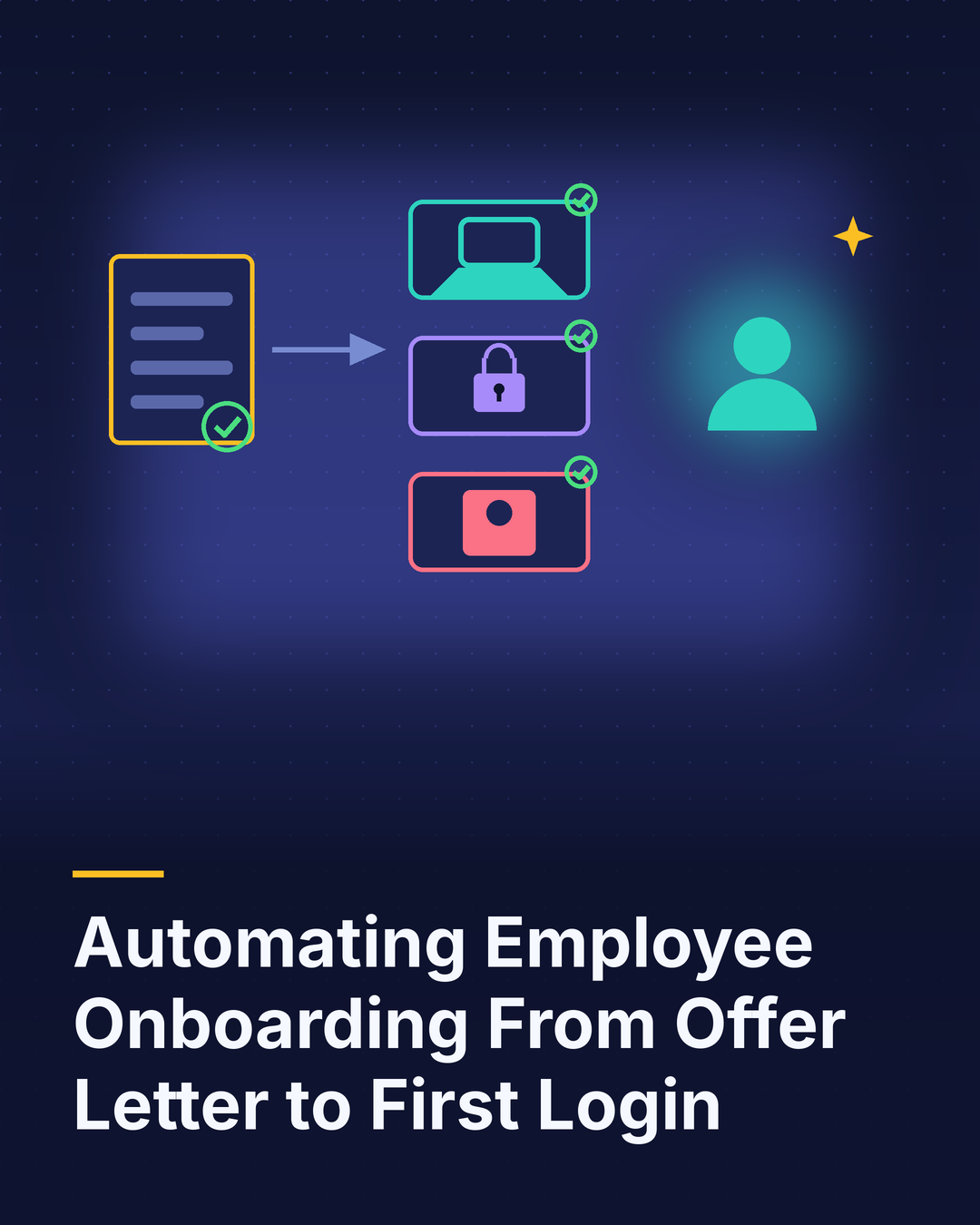
A new employee’s first day leaves a lasting impression. When the laptop is ready, accounts are active, the desk is prepared and the manager has a plan for the first week, the individual feels welcomed and becomes productive quickly. When none of these things are in place, the message received is quite different, and it is a message that is difficult to undo.
Onboarding is also one of the clearest examples of a process that crosses many departments, which is precisely why it so often goes wrong.
Why Onboarding Is Difficult to Get Right
A single hire may require action from human resources, IT, security, facilities, payroll, the hiring manager and sometimes legal or compliance. Each group has its own systems and priorities. In many organizations, coordination relies on emails, checklists and the persistence of a recruiter or administrator. Tasks are missed, completed late or performed in the wrong order, such as hardware being ordered before the start date has been confirmed.
Designing an End-to-End Onboarding Workflow
An automated onboarding workflow typically begins when an offer is accepted in the recruiting system. That event triggers a coordinated sequence of activities.
- Human resources confirms personal details, employment terms and required documentation through a self-service portal.
- IT receives tasks to provision hardware, create accounts and assign software licenses based on the employee’s role and location.
- Security grants appropriate access according to predefined role profiles, reducing both delay and the risk of excessive permissions.
- Facilities prepares a workspace, badge and any required equipment.
- The hiring manager receives reminders to prepare a first-week plan and assign an onboarding mentor.
Because the workflow knows the start date, it can schedule each task with appropriate lead time, run independent tasks in parallel and escalate any that fall behind.
Extending Beyond the First Day
Effective onboarding continues well after the first login. Automated workflows can schedule training, collect feedback at thirty and ninety days, and prompt managers to complete check-ins. The same platform can later manage role changes and offboarding, ensuring that access is adjusted or removed promptly when circumstances change.
The Bottom Line
Onboarding automation improves the new employee experience, reduces the administrative burden on several departments and strengthens security through consistent, role-based access. By triggering a coordinated workflow from the moment an offer is accepted, organizations can ensure that new hires arrive to a fully prepared environment. In a competitive labor market, that first impression matters considerably. Employees who are productive and confident from their first day are more likely to stay, and the investment in a well-designed onboarding workflow repays itself many times over.